Wednesday, June 23, 2010

OBJECTIFY

BMW plant by Zaha Hadid
BMW Welt by Coop Himmelblau

AN ARCHITECTS PLAYGROUND

Vitrahaus by Herzog and de Meuron
I appreciate the design of this building, it is spatially soothing and fluid. The spaces were open and the views were phenomenal. The design at first glance is radical, but rather simple in the end.

Vitra Conference Pavilion by Tadao Ando
The pavilion is amazing! I love the experience of the architecture, which changes throughout the building. It offers public and private spaces for the occupant to use and the materials and form are pure. The buildings design is impressive; I feel like the building will last for years to come.
Vitra Design Museum by Frank O. Gehry
If I can't say something nice then I'm not going to say anything at all!
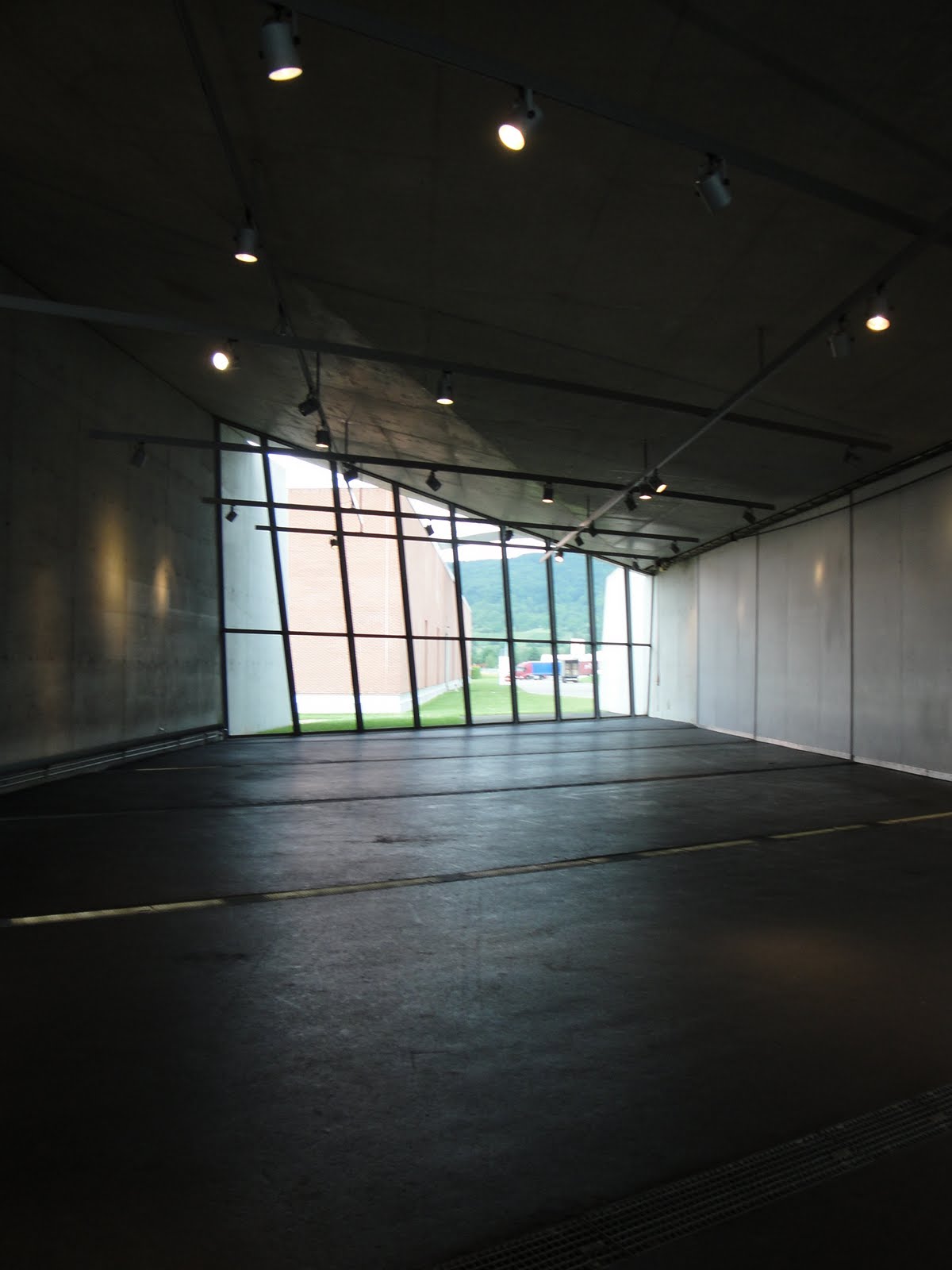
Vitra Fire Station by Zaha Hadid  
 In my opinion, the form of the building is interesting and the building has an experiential quality applied to it that is unique, but I'm not pleased with the overall quality of the building. It was designed to be a fire station, but is now used as a pavilion. The building is not sealed from the exterior and the interior has tons of wasted space; however, the form and space of the building is beautiful.

Tuesday, June 15, 2010

THE DIVINE COMEDY

German humor is funny as hell if you're able to understand it!

What if Woody Allen and Karl Marx had a baby...
it would be Mr. Fakelmann 

THE CENTER OF HARMONY


 Mitte, which is German for middle, is the first and most central borough of Berlin. Mitte is divided by the river Spree into a part south of the river and north of the river. In the middle of the Spree lies the "Museumsinsel" with a lot of museums and the Berlin Cathedral. The central square in Mitte is the Alexanderplatz with the TV tower, the highest building of Germany and the railway station with connections to the subway (U-Bahn), tramway (Straßenbahn), city trains (S-Bahn) and buses. There are some important streets which connect Mitte with the other boroughs, e.g. the boulevard Unter den Linden which connects Alexanderplatz to the west with the Brandenburg Gate and to the center of former West Berlin and the Karl-Marx-Allee from the same square to the eastern suburbs.
-wikipedia-

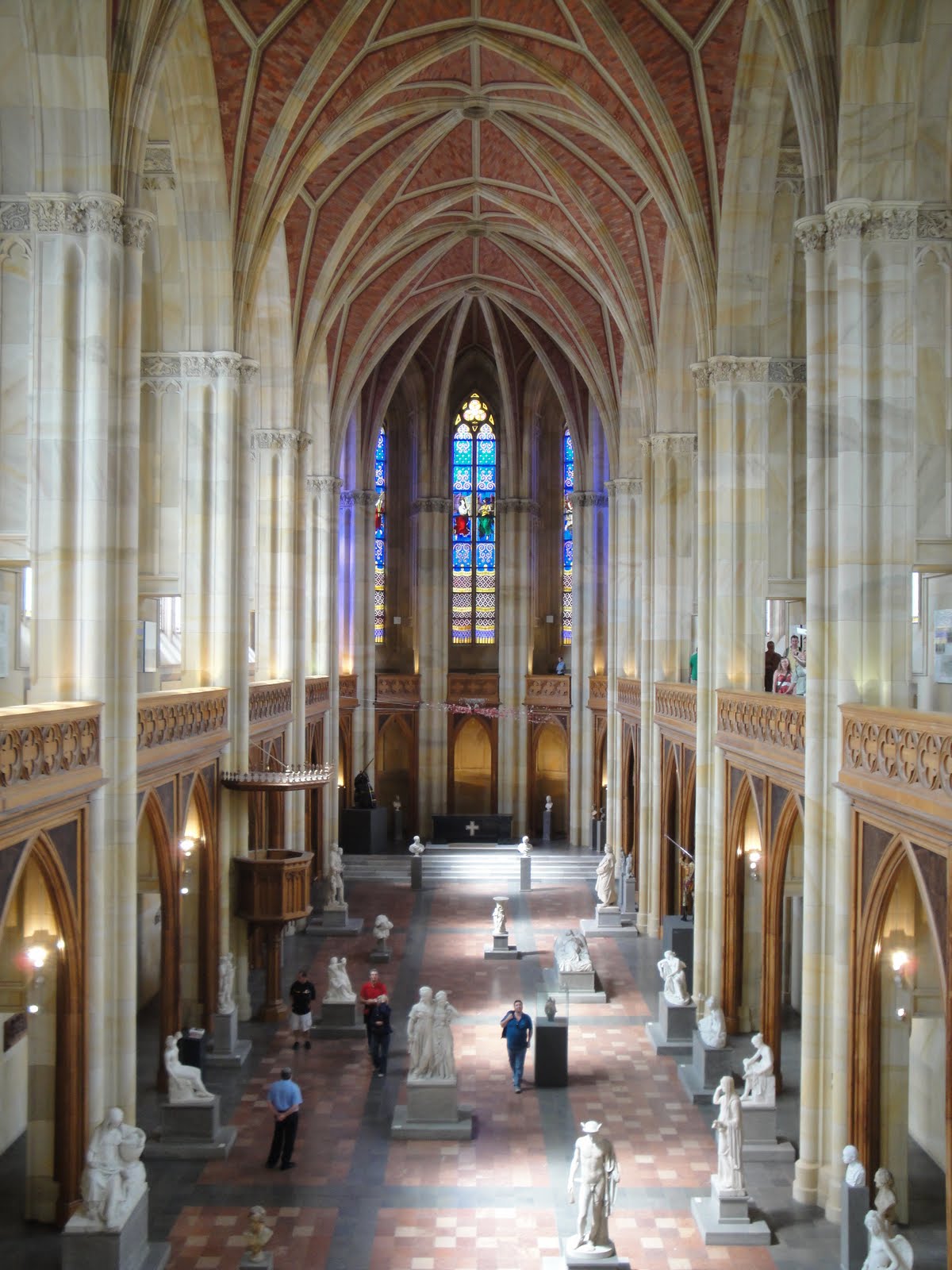
All in all, I felt that Mitte was well balanced in the old and the new architecture.While walking through the city, I saw modern additions being done to historical buildings. This is inspiring to me because it shows that buildings can serve their purpose for a longer amount of time. It also made me think that if a building was to be of bad design, then maybe there was still a way to revive it back to life rather than burying it six feet in the ground.

IT'S A BEAUTIFUL DAY IN THIS NEIGHBORHOOD

A stroll through the city of Ostkreuz at first gave me a sense of struggle, but after running into families at the park and on the street I realized that the people of Ostkreuz seemed to be happy.

Ostkreuz is notable for its appearance: its buildings and track layout have remained essentially unchanged since the 1920s, and its dilapidated state has earned it the nickname Rostkreuz ("Rust Cross"). A modernization of the station was proposed as early as 1937, and again during East German rule. Since German reunification, plans have been made to modernize Ostkreuz from its present, partly dilapidated state, and turn it into a modern station with platforms for regional rail trains and stops for buses and the tramway, both of which pass nearby but presently do not stop directly at the station. However, so far none of these have been implemented, due to the high cost involved, as well as the need to minimize disruption to the station's 100,000 daily passengers, and the fact that the station is under historic preservation and parts of it, such as the brick Ringbahn viaduct and the western pedestrian bridge, will need to be retained.
-wikipedia-